Eco-Friendly Renovations · Water Conservation Solutions · Installing Low-Flow Toilets and Showers ·
Transforming Your Bathroom: Installing Low-Flow Toilets and Showers for Eco-Friendly Living
Explore the benefits, installation tips, and design ideas for low-flow toilets and showers in your home renovation project.
In today's world, where environmental concerns are at the forefront of global conversations, every small step towards sustainability counts. One area where homeowners can make a significant impact is in their bathrooms. By choosing to install low-flow toilets and showerslow-flow toilets and showers, you not only reduce your water consumption but also contribute to a greener planet. This seemingly simple upgrade can lead to substantial savings on your water bills while promoting eco-friendly living. The bathroom is often one of the most water-intensive rooms in the house, accounting for nearly 30% of total household water use.
Traditional fixtures can waste gallons of water every day, but low-flow alternatives are designed to use significantly less without sacrificing performance. Imagine transforming your bathroom into a sanctuary of efficiency and style while doing your part for the environment. In this article, we will explore the benefits of installing low-flow toilets and showers, how they work, and why they are a smart choice for anyone looking to embrace eco-friendly renovations. From understanding the technology behind low-flow fixtures to learning about the installation process and potential savings, we will guide you through everything you need to know. Join us on this journey towards a sustainable future, one bathroom at a time!Water conservation is becoming increasingly crucial in our daily lives, and one of the most effective ways to achieve this is through the installation of low-flow toilets and showers.
These fixtures significantly reduce water consumption without sacrificing performance, making them a perfect choice for eco-friendly renovations. Studies show that switching to low-flow toilets can save a family up to 13,000 gallons of water annually, translating into substantial savings on water bills. Similarly, low-flow showerheads can cut water usage by 30% or more, providing an excellent opportunity for homeowners to minimize their environmental footprint while enjoying modern amenities. When considering the installation of low-flow fixtures, it's essential to understand the advantages they offer. Beyond financial savings, these fixtures contribute to preserving our planet's vital water resources.
By using less water, low-flow toilets and showers help reduce the strain on sewage systems and wastewater treatment facilities, ultimately benefiting local ecosystems. Additionally, many low-flow options are designed with contemporary aesthetics in mind, allowing homeowners to upgrade their bathrooms with stylish, modern products that enhance their home's value. For those looking to install low-flow toilets and showers themselves, the process can be straightforward with some basic tools and knowledge. Begin by selecting a low-flow toilet model that meets your needs; look for ones that use 1.28 gallons per flush or less. To install it, start by turning off the water supply and draining the existing toilet.
Remove the old toilet by unbolting it from the floor and disconnecting the water line. Place the new toilet's wax seal on the flange before lowering it into position, securing it with bolts. Reconnect the water supply and turn it back on, checking for leaks as you go. Installing a low-flow showerhead is similarly easy. Unscrew your existing showerhead using pliers or a wrench—be careful not to damage the fixture.
Clean any residue from the shower arm before applying plumber's tape to ensure a watertight seal. Screw on the new low-flow showerhead securely and turn on the water to check for leaks. Both installations empower homeowners to take charge of their water conservation efforts while enhancing their bathroom's functionality. However, some challenges may arise during installation. For instance, older plumbing systems may not accommodate newer fixtures seamlessly.
In such cases, consider consulting with a plumber to assess potential adjustments needed for optimal performance. Additionally, if you encounter stubborn fittings or corrosion, applying penetrating oil can help loosen them for easier removal. Design plays a critical role in ensuring that low-flow fixtures integrate beautifully into your bathroom. Contemporary styles often feature sleek lines and minimalist designs that complement various décor themes. For instance, pairing a low-flow toilet with a floating vanity can create an illusion of space while maintaining a modern aesthetic.
Consider using dual-flush toilets that offer both full and reduced flush options, allowing users to choose based on their needs without compromising style. To inspire your renovation journey further, look at successful examples where homeowners have integrated low-flow fixtures into their bathrooms seamlessly. A recent renovation featured a luxurious spa-like bathroom equipped with a low-flow shower system that provided an invigorating experience while conserving water. Homeowners reported reduced water bills and enhanced satisfaction with their eco-friendly choices. Common misconceptions surrounding low-flow products often deter potential users; many worry about performance issues or reduced comfort. However, advancements in technology have led to significant improvements in these fixtures' efficiency without sacrificing water pressure or overall performance.
Numerous testimonials from satisfied customers highlight their positive experiences with low-flow toilets and showers, noting that they perform just as well as traditional models. In conclusion, embracing low-flow toilets and showers is an excellent step towards eco-friendly living while modernizing your bathroom space. With numerous benefits including financial savings, environmental impact reduction, and attractive design options available, making the switch has never been easier or more rewarding.
Understanding Low-Flow Fixtures
Low-flow toilets and showers are specially designed plumbing fixtures that use significantly less water compared to traditional models. By optimizing the amount of water needed for flushing or showering, these fixtures contribute to substantial water conservation efforts in homes and businesses alike.Low-flow toilets
typically use 1.6 gallons per flush (gpf) or less, while older toilets can consume up to 3.5 to 7 gallons per flush. This reduction in water use not only helps preserve a vital natural resource but also lowers monthly water bills for homeowners.Low-flow showers
, on the other hand, are designed to limit water flow to about 2.5 gallons per minute (gpm) or less, compared to traditional showerheads that can use up to 5 gpm.The technology behind these fixtures often includes features such as aerators and pressure compensation systems, which maintain a satisfying water pressure while using less water. The benefits of installing low-flow toilets and showers extend beyond mere savings on utility bills. By reducing water consumption, homeowners play a crucial role in mitigating the effects of droughts and promoting sustainability. Additionally, many modern low-flow fixtures come in sleek and stylish designs that can enhance the overall aesthetic of a bathroom, making them an attractive option for eco-conscious consumers.
Budgeting for Your Renovation
When considering installing low-flow toilets and showers, it is essential to understand the cost implications associated with purchasing and installing these fixtures. The initial investment may vary significantly based on the type of fixtures you choose, the complexity of the installation, and any additional plumbing modifications that may be necessary. On average, low-flow toilets can range from $100 to $500, while low-flow showerheads typically cost between $20 and $100.However, it is crucial to factor in installation costs, which can add anywhere from $50 to $200, depending on your local labor rates and whether you choose to hire a professional plumber or handle the installation yourself. While the upfront costs may seem daunting, it is important to consider the long-term savings associated with low-flow fixtures. By reducing water consumption, homeowners can see a significant decrease in their water bills. The U.S. Environmental Protection Agency (EPA) estimates that households can save up to 60% on their water usage by switching to low-flow toilets and showers.
Over time, these savings can offset the initial investment, making it a financially sound decision. Additionally, many utility companies offer rebates or incentives for homeowners who install water-efficient fixtures. These programs can further reduce your out-of-pocket expenses and enhance the overall affordability of your eco-friendly renovation. Before embarking on your project, be sure to check with your local utility provider for any available programs. In summary, while budgeting for installing low-flow toilets and showers involves upfront costs, the long-term financial benefits and potential rebates make this renovation a smart choice for both your wallet and the environment.
Water Conservation Impact
Switching to low-flow toilets and showers is not just a personal choice; it represents a significant step towards environmental stewardship. Traditional fixtures can use as much as 3.5 to 7 gallons of water per flush or around 2.5 gallons per minute during a shower.In contrast, low-flow toilets utilize only 1.28 gallons per flush, while low-flow showers can limit water usage to 1.8 gallons per minute or less. By making these changes, households can drastically reduce their water consumption. The broader impact of this reduction cannot be overstated. According to the U.S. Environmental Protection Agency (EPA), switching to low-flow fixtures in an average home can save about 13,000 gallons of water each year.
This not only lowers utility bills but also conserves our precious natural resources, reducing the strain on local water supplies and ecosystems. Furthermore, less water usage translates into lower energy consumption as well. Heating water accounts for a significant portion of household energy use, so by reducing the amount of hot water needed for showers and flushing toilets, homeowners contribute to decreased greenhouse gas emissions associated with energy production. Finally, adopting eco-friendly renovations, like installing low-flow toilets and showers, sends a positive message about sustainability to the community. As more individuals and families make these environmentally conscious choices, it fosters a culture of conservation that can lead to larger-scale changes in water management policies and practices.
Designing Your Eco-Friendly Bathroom
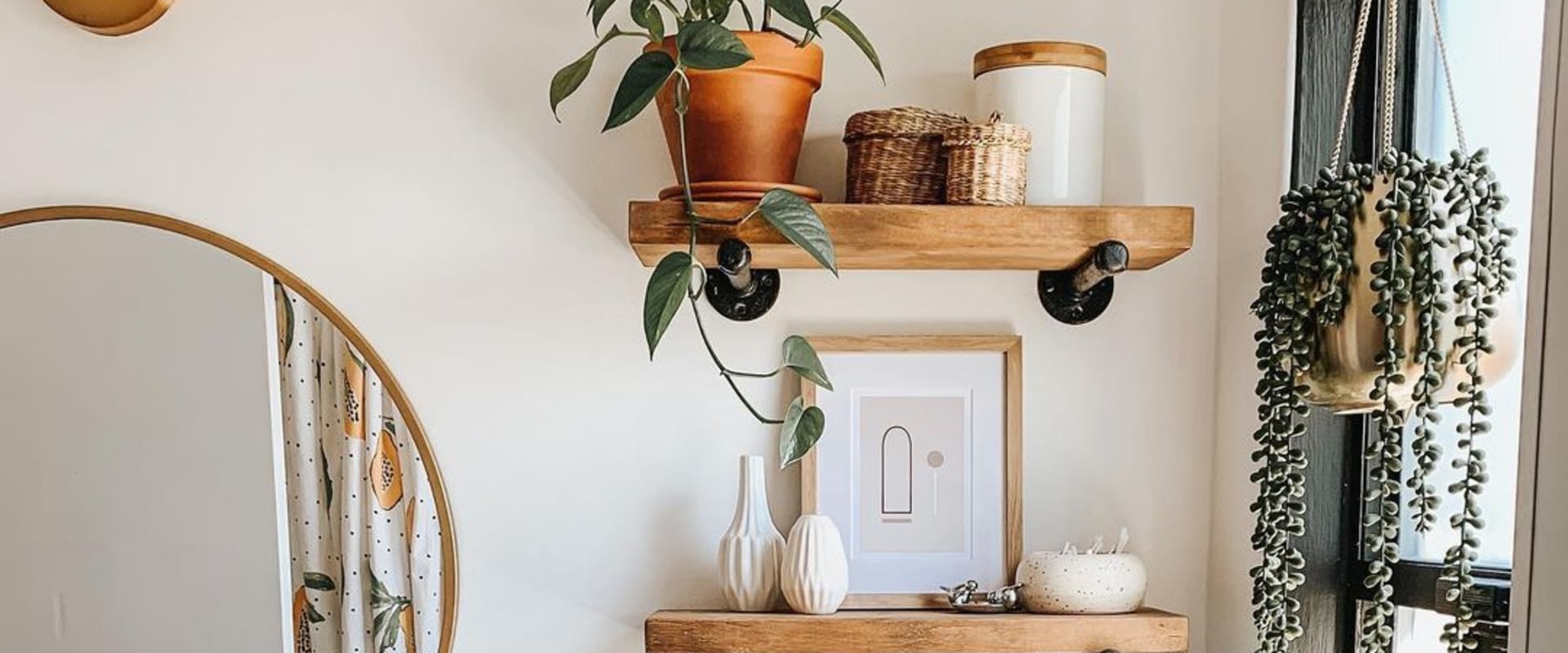
Creating a bathroom that embodies both modern aesthetics and eco-friendliness is entirely achievable with the right design choices. Incorporating low-flow toilets and showers into your bathroom not only conserves water but also enhances the overall look of your space. When selecting low-flow fixtures, consider styles that complement your existing decor.Many manufacturers now offer sleek, contemporary designs that fit seamlessly into any bathroom theme, whether it be minimalist, industrial, or traditional. For instance, a wall-mounted low-flow toilet can create a clean and spacious feel, while a stylish low-flow showerhead can serve as a focal point in the room. Color schemes play a significant role in bathroom design. Opt for calming colors like soft blues or greens that evoke feelings of tranquility and connection to nature, which can enhance the eco-friendly aspect of your renovation. Pair these colors with natural materials such as bamboo or reclaimed wood for cabinetry and shelving to further emphasize sustainability. Incorporating plants can add both beauty and functionality to your can serve as a focal point in the room. Color schemes play a significant role in bathroom design. Opt for calming colors like soft blues or greens that evoke feelings of tranquility and connection to nature, which can enhance the eco-friendly aspect of your renovation. Pair these colors with natural materials such as bamboo or reclaimed wood for cabinetry and shelving to further emphasize sustainability. Incorporating plants can add both beauty and functionality to your eco-friendly bathroom.
Choose moisture-loving plants like ferns or peace lilies that thrive in humid environments, helping to purify the air while enhancing the natural aesthetic. Don’t forget about lighting! Use energy-efficient LED fixtures that provide ample light while keeping energy consumption low. Consider adding dimmable lights to create a relaxing ambiance during evening baths. Finally, ensure that all elements of your design work harmoniously together. The goal is to create a cohesive look that highlights your commitment to water conservation without sacrificing style. With thoughtful planning and inspiration, your eco-friendly bathroom can be a beautiful sanctuary that reflects your values.
Step-by-Step Installation Guide
Installing low-flow toilets and showers can be a rewarding DIY project that contributes to water conservation while enhancing your bathroom’s efficiency.Here’s a detailed guide to help you through the installation process.
Tools Needed:
Before starting, ensure you have the following tools on hand: a wrench, screwdriver, level, utility knife, pliers, bucket, and a towel. Additionally, it may be helpful to have a measuring tape and caulking gun for precise installations.Safety Precautions:
Always prioritize safety during your installation. Turn off the water supply to the bathroom before beginning any work. Use safety goggles to protect your eyes from debris and wear gloves to prevent cuts or scrapes.If you are unsure about any step, consult a professional.
Step 1: Removing the Old Toilet:
Start by draining the existing toilet by flushing it and using a sponge to remove any remaining water from the tank and bowl. Disconnect the water supply line and unscrew the toilet from the floor using a wrench. Carefully lift the toilet off and set it aside.Step 2: Installing the Low-Flow Toilet:
Place a new wax seal on the flange where the toilet will sit. Align the holes in the base of the low-flow toilet with the bolts in the flange and gently lower it into place.Press down firmly to create a seal with the wax. Secure it by tightening the nuts onto the bolts.
Step 3: Connecting Water Supply:
Reconnect the water supply line to the tank of the low-flow toilet. Turn on the water supply and allow the tank to fill. Check for leaks around the base and connections, tightening as necessary.Step 4: Removing the Old Showerhead:
For shower installation, start by removing your old showerhead.Use pliers to unscrew it from the arm carefully. Be cautious of residual water that may spill out.
Step 5: Installing the Low-Flow Showerhead:
Wrap Teflon tape around the threads of the shower arm to ensure a watertight seal. Screw on your new low-flow showerhead by hand, then tighten it gently with pliers, being careful not to overtighten.Step 6: Testing for Leaks:
Turn on the shower to check for leaks at both connections. If you notice any drips, tighten them further or reapply Teflon tape as needed. By following these steps, you will successfully install low-flow toilets and showers, contributing to eco-friendly living while enjoying modern conveniences in your bathroom renovation. In conclusion, installing low-flow toilets and showers is not just a trend but a vital step towards sustainable living.The benefits are clear: reduced water bills, decreased environmental impact, and access to modern design options that enhance the aesthetic of your bathroom. By making eco-friendly choices in home renovations, homeowners can contribute to significant water conservation efforts while enjoying the comforts of contemporary fixtures. It’s time to embrace these innovations as essential components of a responsible lifestyle.