Kitchen Renovation Ideas · Layout and Design · Choosing the Right Kitchen Layout for Your Home ·
Finding the Perfect Kitchen Layout for Your Home
Explore various kitchen layouts to inspire your home renovation project, including tips and trends for design, budgeting, and eco-friendly options.
Are you ready to transform your culinary space into a haven of functionality and style? Finding the Perfect Kitchen Layout for Your Home is an essential first step in any renovation journey. The kitchen is often referred to as the heart of the home, where family and friends gather to share meals, laughter, and memories. However, a poorly designed layout can hinder not only the aesthetic appeal but also the efficiency of this vital space. In today’s fast-paced world, it’s crucial to create a kitchen that meets your unique needs while reflecting your personal taste. Whether you’re an aspiring chef or someone who simply enjoys the occasional home-cooked meal, the right kitchen layout can significantly enhance your cooking experience.
From maximizing storage to ensuring smooth workflow, every detail counts in crafting a space that feels just right. But with so many options available—from open-concept designs to traditional galley layouts—how do you choose the one that best suits your home? That’s where this article comes in. We’ll guide you through the various kitchen layouts, helping you to visualize how each design can complement your lifestyle and preferences. Get ready to explore innovative ideas that will not only elevate your kitchen's function but also its aesthetic appeal. Join us as we delve into the world of kitchen layouts, uncovering tips and tricks that will empower you to make informed decisions for your renovation project. Let’s embark on this journey together and discover how to turn your kitchen dreams into reality!Choosing the right kitchen layout for your home is a vital aspect of any renovation project.
The layout not only influences the functionality of the space but also affects the overall aesthetics and even the value of your home. Different layouts cater to various cooking styles and family needs, making it essential for homeowners to consider their unique circumstances when selecting a design. The most common types of kitchen layouts include L-Shaped, U-Shaped, Galley, and Open Concept. Each layout has its own set of advantages and disadvantages that can significantly impact your kitchen experience. The L-Shaped layout is one of the most popular choices due to its versatility. This design features two adjacent walls forming an 'L' shape, providing ample counter space and allowing for an open flow into adjoining rooms.
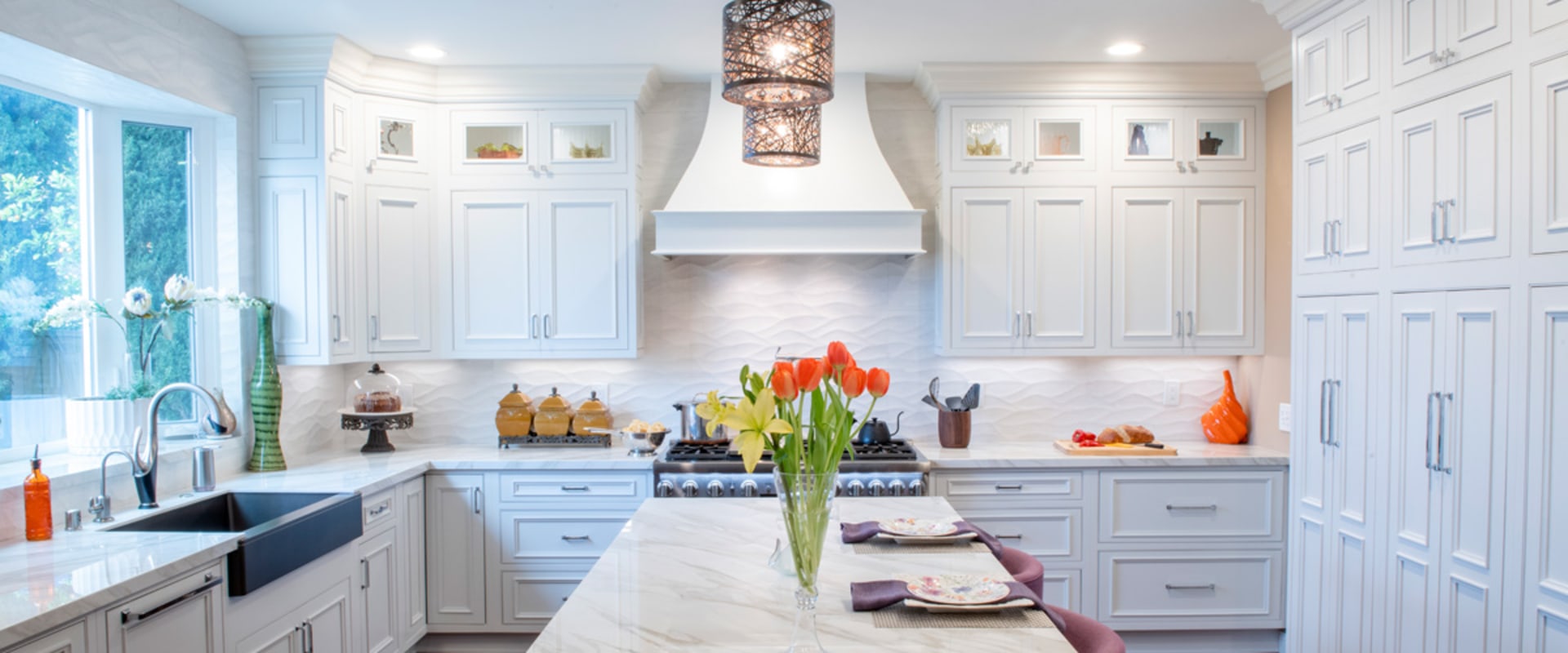
The primary advantage of an L-Shaped kitchen is its efficient use of space, making it ideal for smaller homes or apartments. However, in larger spaces, this layout might feel disconnected if not designed thoughtfully. For instance, incorporating a kitchen island can enhance functionality and provide additional storage while also serving as a gathering point for family and friends. On the other hand, the U-Shaped layout encompasses three walls of cabinetry and appliances, creating a more enclosed cooking area. This design is excellent for maximizing storage and countertop space, which is especially beneficial for avid cooks or large families.
The main drawback is that it can feel cramped if the space is not adequately planned. To mitigate this, consider adding open shelving or glass-front cabinets to create an illusion of openness. Furthermore, ensuring there’s enough space between the counters can facilitate movement during meal preparation. The Galley kitchen, characterized by two parallel countertops with a walkway in between, is another functional option that maximizes efficiency. It’s particularly suited for narrow spaces and allows for a streamlined workflow with everything within arm's reach.
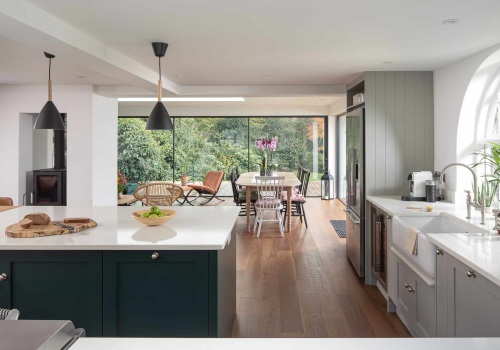
However, this layout can pose challenges when it comes to entertaining guests, as it may lack an inviting atmosphere. To address this concern, integrating a small dining area at one end can encourage interaction while maintaining the kitchen's functionality. In recent years, the Open Concept kitchen has gained immense popularity, blurring the lines between cooking and living spaces. This layout fosters social interaction by connecting the kitchen with the dining or living areas. While it creates a spacious feel and facilitates entertaining, homeowners must consider noise levels and cooking odors that might permeate adjoining areas.
To counteract these issues, investing in quality ventilation systems and incorporating eco-friendly materials can enhance both comfort and sustainability. When selecting a kitchen layout, it’s important to assess your space availability, lifestyle needs, and design preferences. Start by measuring your kitchen area accurately and considering how you typically use the space. If you frequently host gatherings, an Open Concept layout may suit you best; however, if you prioritize cooking efficiency, a U-Shaped or Galley layout could be more appropriate. Storage solutions are another common concern in kitchen design. Regardless of your chosen layout, maximizing storage is crucial. , it’s important to assess your space availability, lifestyle needs, and design preferences. Start by measuring your kitchen area accurately and considering how you typically use the space. If you frequently host gatherings, an Open Concept layout may suit you best; however, if you prioritize cooking efficiency, a U-Shaped or Galley layout could be more appropriate. Storage solutions are another common concern in kitchen design. Regardless of your chosen layout, maximizing storage is crucial.
Utilize vertical space by installing cabinets that reach the ceiling or incorporating pull-out shelves for easy access to items stored at the back. Additionally, consider multi-functional furniture pieces like islands with built-in storage or benches that double as seating. To ensure an efficient workflow in your kitchen, follow the classic work triangle principle: place the sink, stove, and refrigerator in a triangular formation to minimize unnecessary movement during meal preparation. This principle remains relevant regardless of your chosen layout. Current trends in kitchen design emphasize sustainability and technology integration. Incorporating eco-friendly materials such as bamboo cabinetry or recycled glass countertops can reduce your environmental footprint while enhancing the aesthetic appeal of your kitchen.
Additionally, consider integrating smart technology like touchless faucets or smart appliances that streamline cooking processes and improve convenience. Budgeting is another crucial aspect when planning your kitchen renovation. Each layout option comes with different price points based on materials and labor costs. For example, an Open Concept design may require structural changes that could increase expenses significantly compared to more straightforward layouts like Galley or L-Shaped kitchens. To manage costs effectively, create a detailed budget plan outlining all potential expenses and allow some room for unexpected costs that may arise during renovations. If financing is necessary for your renovation project, explore options such as home equity loans or personal loans specifically designed for home improvement purposes.
Researching local grants for energy-efficient renovations can also provide financial relief while contributing to sustainable living practices. Before-and-after examples can be incredibly inspiring when visualizing transformations in kitchen layouts. For instance, transforming a cramped Galley kitchen into an inviting Open Concept space can dramatically alter both functionality and aesthetics. Utilize online platforms or consult with professional designers who can provide visualization tools to help you envision the final outcome. In conclusion, selecting the right kitchen layout entails careful consideration of various factors such as space availability, lifestyle preferences, and current trends in design. By understanding each layout's pros and cons and aligning them with your unique circumstances, you can create a kitchen that is both functional and aesthetically pleasing.
Factors Influencing Your Kitchen Layout Choice
When it comes to choosing the right kitchen layout, several key factors can significantly influence your decision.Understanding these factors will help you create a space that meets both your functional needs and aesthetic preferences. Firstly, space is a crucial consideration. The size and shape of your kitchen area will dictate which layouts are feasible. For smaller kitchens, an efficient layout like a galley or L-shape can maximize functionality without overcrowding the space. Conversely, larger kitchens may accommodate more expansive designs, such as a U-shape or an open-concept layout that integrates with dining and living areas. Next, consider your family size.
A household with several members will likely require a more spacious and versatile kitchen layout that allows for multiple cooks and ample storage. Features like an island can provide additional prep space and serve as a gathering spot for family meals or socializing. In contrast, a smaller family or single individual may prefer a layout that prioritizes efficiency and ease of use. Another essential aspect is your cooking habits. If you enjoy cooking frequently or entertain guests often, a layout that supports multiple work zones and easy flow between them is beneficial.
For instance, placing the stove, sink, and refrigerator in a convenient triangle can enhance workflow. Alternatively, if cooking is more of an occasional activity, you might prioritize aesthetics over functionality in your design. Ultimately, the ideal kitchen layout will depend on a combination of these factors—space, family size, and cooking habits. By carefully considering each element, you can select a layout that not only enhances your cooking experience but also adds value to your home.
Design Trends to Consider
In the ever-evolving world of kitchen design, staying updated with the latest trends can significantly enhance the appeal and functionality of your space. When choosing a kitchen layout, it is essential to consider current design trends that complement your selected arrangement.Here are some of the top trends to keep in mind:Open Concept Layouts continue to be a favorite among homeowners. This design trend blurs the lines between the kitchen, dining, and living areas, promoting a sense of unity and spaciousness. Ideal for those who love entertaining, an open concept layout allows for seamless interaction while cooking and socializing. The use of Natural Materials is another prominent trend. Incorporating wood, stone, and other organic materials not only adds warmth to your kitchen but also creates a timeless aesthetic.
Whether you choose wooden cabinetry or stone countertops, these materials can enhance various layouts by providing both style and durability.
Smart Technology
integration has become increasingly popular in modern kitchens. From smart refrigerators that help manage inventory to voice-activated lighting systems, technology can improve functionality and convenience in any layout. Consider how these innovations can streamline your cooking experience and enhance your overall kitchen workflow. Another trend gaining traction is Bold Colors and Patterns. Moving away from traditional whites and neutrals, homeowners are now embracing vibrant hues and striking patterns for cabinetry, backsplashes, and flooring.This trend allows you to express your personal style while also creating visual interest in your kitchen layout. Finally, Multi-functional Spaces are on the rise. As kitchens evolve into multi-use areas that serve as cooking spaces, dining areas, and even home offices, incorporating flexible furniture and adaptable layouts can maximize utility. Features like movable islands or foldable tables provide versatility that caters to various needs. By considering these current design trends when selecting your kitchen layout, you can create a space that is not only functional but also reflects your unique style and meets your family’s needs.
Visual Inspiration: Before-and-After Transformations
Transforming your kitchen layout can dramatically enhance both functionality and aesthetics. By showcasing before-and-after examples, we can provide visual inspiration that illustrates the potential of various layouts.These transformations highlight how simple changes can make a significant difference in the overall look and feel of your kitchen. For instance, consider a traditional galley kitchen that feels cramped and outdated. In a before-and-after transformation, this space can be opened up by removing a wall, allowing for an open-concept design. The after image reveals a bright, airy kitchen complete with an island that serves as both a cooking space and a gathering spot for family and friends. Another example might involve a U-shaped kitchen that is cluttered and lacks storage. After a renovation, implementing custom cabinetry and smart storage solutions can lead to a sleek and organized after look.
The new design not only maximizes space but also enhances the kitchen's visual appeal. Lastly, a L-shaped kitchen with minimal counter space can be transformed into a chef's paradise by adding an island or breakfast bar. This change not only provides additional prep space but also fosters better flow during meal preparation, making the kitchen more functional for families who love to cook together. These examples serve as reminders that the right kitchen layout can significantly elevate your home. By envisioning what is possible through these before-and-after transformations, you can better understand how to tailor your space to suit your unique cooking style and family needs.
Budgeting for Your Kitchen Renovation
When it comes to budgeting for your kitchen renovation, understanding the costs associated with different layouts is essential. Each kitchen layout, whether it be a U-shaped, L-shaped, galley, or island design, comes with its own unique set of requirements that can significantly impact your overall renovation budget.For instance, a U-shaped kitchen may require more cabinetry and countertop space, leading to higher material costs, while a galley kitchen might be more economical due to its compact nature. Additionally, it’s important to factor in the costs of plumbing and electrical work, which can vary depending on how much you need to relocate these elements for your chosen layout. If you’re considering an island layout, be prepared for increased expenses related to plumbing and electrical installations for appliances like sinks and cooktops. Financing options play a crucial role in making your kitchen renovation feasible. Many homeowners explore various avenues such as personal loans, home equity lines of credit (HELOC), or even credit cards with promotional financing offers. Each option has its pros and cons, so it’s essential to evaluate your financial situation and determine which method aligns best with your budget and repayment capability. Moreover, consider setting aside a contingency fund—typically around 10-20% of your total budget—to account for unexpected expenses that may arise during the renovation process.
This practice ensures that you remain financially prepared for surprises without derailing your entire project. In conclusion, careful budgeting is paramount when planning for your kitchen renovation. By understanding the costs associated with different layouts and exploring various financing options, you can create a realistic budget that meets your needs while also enhancing the functionality and value of your home.
Understanding Kitchen Layouts
When it comes to kitchen renovations, understanding kitchen layouts is essential for creating a space that is not only functional but also aesthetically pleasing. Each layout serves different cooking styles and family needs, making it crucial to choose one that aligns with your lifestyle. Here are the most common types of kitchen layouts, along with their benefits and drawbacks:1.L-Shaped Kitchen: This layout consists of two adjoining walls forming an 'L' shape.It is ideal for small to medium-sized spaces and allows for an open floor plan.
Benefits:
It promotes easy movement between the cooking, cleaning, and storage areas.Drawbacks:
Limited counter space may be a concern for avid cooks.2.U-Shaped Kitchen:
This design utilizes three walls, creating a U shape that maximizes storage and counter space.Benefits:
It offers ample work surfaces and efficient workflow with the classic work triangle layout.Drawbacks: The enclosed nature can feel cramped if the kitchen is too small.
3.Galley Kitchen:
Often seen in apartments, this layout features two parallel countertops with a narrow walkway in between.Benefits:
It is very efficient for one or two cooks and allows for easy access to all areas of the kitchen.Drawbacks:
The narrow space can limit movement and make it challenging for multiple cooks.4.Island Kitchen:
This layout incorporates a central island that serves as additional counter space and can also function as a casual dining area.Benefits:
It enhances functionality and provides a social hub for family gatherings.Drawbacks: Requires ample space to avoid crowding and may necessitate more maintenance.
5.One-Wall Kitchen:
Ideal for small homes or studio apartments, this layout places all appliances along one wall.Benefits:
It saves space and is cost-effective for renovations.Drawbacks:
Limited workspace and storage can be an issue, making it less suitable for larger families.6.Peninsula Kitchen:
Similar to the island kitchen but features a connected countertop that extends into the room.Benefits:
It provides additional counter space while maintaining an open feel.Drawbacks: Can create traffic flow issues in smaller kitchens. Selecting the right kitchen layout involves considering your cooking habits, family size, and how you envision using your space. Each layout has its unique advantages and limitations, so understanding these can guide you towards making the best choice for your home renovation.In conclusion, the journey of Can create traffic flow issues in smaller kitchens. Selecting the right kitchen layout involves considering your cooking habits, family size, and how you envision using your space. Each layout has its unique advantages and limitations, so understanding these can guide you towards making the best choice for your home renovation. In conclusion, the journey of finding the perfect kitchen layout for your home is an essential step in any home renovation project. We have explored various kitchen layouts and the factors that influence your choice, emphasizing how personal needs and cooking styles play a crucial role in this decision. A well-thought-out layout not only enhances the functionality of your kitchen but also elevates its aesthetic appeal, contributing to the overall value of your home. As you embark on this exciting renovation journey, we encourage you to take the time to research different layouts and design trends that resonate with your lifestyle.
Remember, seeking professional advice can provide invaluable insights tailored to your unique circumstances. Ultimately, a thoughtfully designed kitchen can transform your culinary space into a hub of creativity and warmth, making it a joy to cook and gather with family and friends.