Cost of Home Renovations · Cost Breakdown by Room · Average Costs of Kitchen Renovations in 2023 ·
Average Costs of Kitchen Renovations in 2023
Explore the average costs of kitchen renovations in 2023, with insights on budgeting, design ideas, DIY tips, and current trends.
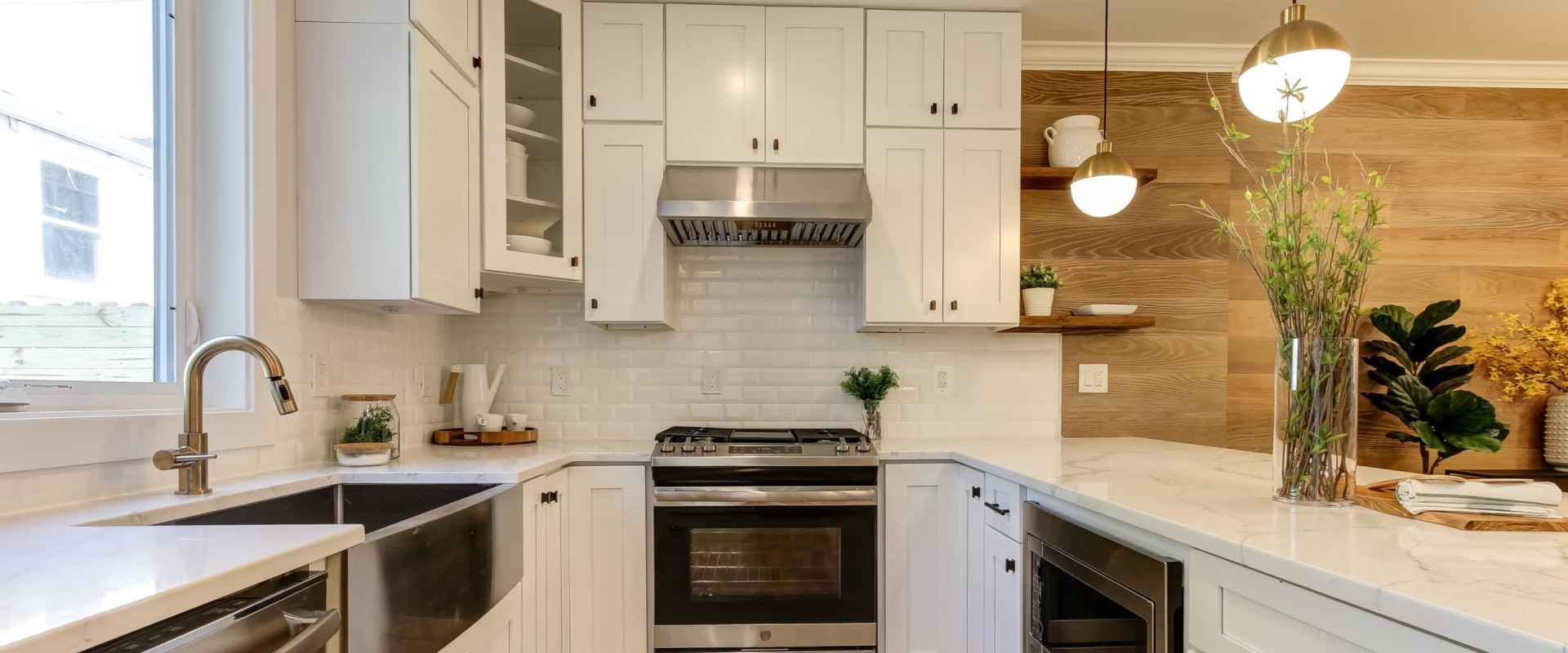
Are you dreaming of a stunning new kitchen that combines both functionality and style? Average Costs of Kitchen Renovations in 2023 can be a daunting topic, especially with the myriad of options and decisions that come with updating one of the most important spaces in your home. Whether you're looking to create an inviting atmosphere for family gatherings or simply want to enhance the value of your property, understanding the financial aspects of a kitchen renovation is crucial. In recent years, the demand for kitchen upgrades has surged, and so have the costs associated with these renovations. With the rising prices of materials and labor, homeowners need to have a clear picture of what to expect financially. This article will delve into the average costs associated with various aspects of kitchen renovations in 2023, breaking down expenses by essential elements such as cabinetry, countertops, appliances, and labor. Join us as we explore the factors influencing these costs and provide insights to help you plan your renovation budget effectively.
Whether you are a first-time renovator or looking to refresh your existing space, this comprehensive guide will equip you with the knowledge you need to make informed decisions. Let's uncover the true costs behind creating your dream kitchen!The growing interest in home renovations, particularly kitchens, is driven by the desire to increase home value and enhance livability. A kitchen renovation can transform the heart of a home, making it more functional and aesthetically pleasing. However, understanding the average costs of kitchen renovations in 2023 is crucial for homeowners looking to plan effectively and avoid overspending.
With various renovation styles and current design trends influencing costs, having a clear picture of what to expect can make all the difference. When considering a kitchen renovation, the costs can be broken down into several key categories: cabinetry, countertops, appliances, flooring, and labor. Each of these elements plays a significant role in the overall budget. For cabinetry, homeowners can expect costs to range from $3,000 to $20,000 or more, depending on the materials chosen. Budget-friendly options such as ready-to-assemble cabinets can be found for around $3,000, while custom or high-end cabinetry might reach upwards of $20,000. Countertops are another major expense in kitchen renovations.
The price range for countertops varies widely based on the material selected. For instance, laminate countertops can cost as little as $20 per square foot, while granite or quartz options can range from $50 to $200 per square foot. This makes it essential for homeowners to consider their style preferences and budget constraints when selecting materials. Appliances also contribute significantly to the renovation costs. On average, homeowners might spend between $2,000 and $10,000 on appliances, depending on the brand and features desired.
While budget-friendly models may start around $2,000 for basic appliances, high-end brands with advanced technology can easily exceed $10,000. The choice of flooring can further influence renovation costs. Options range from economical vinyl at around $2 to $5 per square foot to luxury hardwood or tile that can reach $10 to $20 per square foot. Homeowners should assess their lifestyle needs and aesthetic preferences when choosing flooring materials. Labor costs are another significant factor to consider in the overall budget for kitchen renovations. Hiring professional contractors typically adds anywhere from 20% to 35% to the total project cost.
DIY enthusiasts might save on labor but should realistically assess their skills and the time commitment required to ensure a successful renovation. Several factors influence these costs beyond just materials and labor. The size of the kitchen plays a crucial role; larger kitchens generally incur higher costs due to more materials and labor being required. Additionally, homeowners should consider whether they want to maintain an open-concept design or create defined spaces within the kitchen, as this can impact both layout and costs. To provide a clearer picture, let’s look at examples of budget-friendly versus high-end options. A budget-friendly kitchen renovation might include laminate cabinets, laminate countertops, basic appliances, vinyl flooring, and DIY installation for an estimated total cost of around $10,000.
In contrast, a high-end renovation could feature custom cabinetry, quartz countertops, top-of-the-line appliances, hardwood flooring, and professional installation with an overall total reaching up to $60,000 or more. Common questions arise regarding financing options for renovations. Homeowners may explore personal loans, home equity lines of credit (HELOCs), or even cash-out refinancing as potential ways to fund their projects. It is essential to weigh these options carefully and consider long-term implications on financial stability. Creating a detailed budget before starting any project is paramount. This involves not only estimating costs but also setting aside a contingency fund for unexpected expenses that may arise during the renovation process.
A well-planned budget helps ensure that homeowners do not overspend and can enjoy their newly renovated kitchens without financial stress. In addition to traditional renovations, many homeowners are increasingly interested in eco-friendly renovation ideas that promote sustainability. While some eco-friendly materials may have a higher upfront cost, they often lead to long-term savings through energy efficiency and durability. For example, energy-efficient appliances may cost more initially but can save homeowners on utility bills over time. To illustrate successful renovations and inspire others, testimonials or before-and-after case studies can be extremely effective. These stories highlight the transformations that kitchens undergo during renovations and emphasize the importance of planning and budgeting appropriately.
By showcasing real-life examples, potential renovators can visualize what is possible within their own spaces. Ultimately, understanding the average costs of kitchen renovations in 2023 allows homeowners to navigate their projects with confidence. Whether opting for a modest upgrade or a complete overhaul, being informed about costs and options will empower homeowners to create beautiful and functional kitchens tailored to their needs.
Understanding Kitchen Renovation Costs
When planning a kitchen renovation, understanding costs is essential for making informed decisions and staying within budget. Several key factors influence the overall expenses associated with a kitchen remodel. Firstly, the choice of materials plays a significant role in determining costs. High-quality materials such as granite countertops and custom cabinetry can substantially increase expenses, while more budget-friendly options like laminate or stock cabinets may help keep costs down.It's important to balance quality and price based on your renovation goals. The size of the kitchen is another critical factor. Larger kitchens typically require more materials and labor, resulting in higher costs. Conversely, smaller kitchens may offer opportunities for more affordable renovations, allowing homeowners to focus on specific upgrades without breaking the bank. Finally, labor costs can vary significantly based on location, complexity of the project, and the professionals hired. Engaging experienced contractors may lead to higher upfront costs but can save money in the long run through quality workmanship and efficient project management. By considering these factors—materials, size, and labor—homeowners can gain a clearer understanding of what to expect when budgeting for their kitchen renovation.
DIY vs.
Professional HelpWhen it comes to kitchen renovations, one of the first decisions homeowners face is whether to take on the project themselves or hire professionals. Each option has its own set of advantages and disadvantages that can significantly impact the overall cost and quality of the renovation. Choosing a DIY approach can be appealing for those looking to save money. Materials can often be purchased at wholesale prices, and labor costs are eliminated, potentially reducing the total expenditure by a significant margin. However, it is crucial to consider the time investment and the skill level required for various tasks.
Complex projects such as plumbing or electrical work may require expertise that the average homeowner lacks, leading to potential mistakes that could result in additional expenses. On the other hand, hiring professionals typically leads to faster completion times and higher-quality results. Professionals bring experience and specialized skills that can ensure the project meets local building codes and standards. While this route is generally more expensive due to labor costs, it can save homeowners from costly mistakes and unforeseen issues that may arise during a DIY project. Ultimately, the decision between DIY and hiring professionals should be based on a realistic assessment of one’s abilities, budget, and the complexity of the renovation tasks at hand. For simpler updates such as painting cabinets or installing new hardware, DIY may be feasible, while more involved renovations may warrant the expertise of seasoned professionals.
Eco-Friendly Renovation Options
As the focus on sustainability grows, eco-friendly renovation options are becoming increasingly popular among homeowners looking to modernize their kitchens.By selecting sustainable materials and practices, not only can you reduce your environmental footprint, but you can also create a healthier living space. One key aspect of eco-friendly kitchen renovations is the choice of materials. Opting for reclaimed wood for cabinets or countertops can add character while minimizing waste. Additionally, choosing bamboo, a rapidly renewable resource, is an excellent alternative to traditional hardwoods. For countertops, consider recycled glass or composite materials that repurpose waste products. Energy-efficient appliances are another crucial component of sustainable kitchen renovations.
Investing in appliances with the ENERGY STAR label ensures that you are using less energy, which not only reduces your utility bills but also lessens your carbon footprint. Furthermore, incorporating LED lighting instead of traditional bulbs can significantly decrease energy usage and enhance the overall ambiance of your kitchen. Water conservation is also an essential aspect of eco-friendly renovations. Installing low-flow faucets and water-efficient dishwashers can help reduce water consumption without sacrificing performance. Additionally, considering a greywater system can help recycle water from sinks and dishwashers for use in irrigation. Lastly, incorporating natural ventilation and maximizing natural light through strategically placed windows can reduce reliance on artificial heating, cooling, and lighting.
This approach not only saves energy but also creates a more inviting and pleasant atmosphere. In conclusion, integrating eco-friendly renovation options into your kitchen remodel can lead to significant long-term benefits for both the environment and your home’s value. By making conscious choices about materials, appliances, and energy use, you can create a beautiful kitchen that aligns with sustainable living practices.
Current Trends in Kitchen Design
As we delve into the Average Costs of Kitchen Renovations in 2023, it is essential to acknowledge the current trends in kitchen design that are influencing renovation choices and ultimately affecting costs. Homeowners are increasingly drawn to modern aesthetics that combine functionality with style, reflecting their personal tastes while maximizing space. One of the most prominent trends in 2023 is the shift towards open-concept kitchens. This design not only enhances the flow of natural light but also creates an inviting atmosphere for social gatherings.However, incorporating this trend may require significant structural changes, thus impacting overall renovation costs. Another trend gaining traction is the use of sustainable materials. Homeowners are becoming more environmentally conscious and are opting for eco-friendly options such as bamboo cabinetry or recycled countertops. While these materials can sometimes carry a higher upfront cost, they often result in long-term savings and increased home value. In addition, the rise of smart kitchen technology cannot be overlooked. From smart refrigerators that help manage grocery lists to advanced cooking appliances that improve efficiency, integrating technology into kitchen renovations is becoming a necessity for many.
This trend often adds to the renovation budget but enhances the functionality and appeal of the space. Color schemes also play a vital role in 2023 kitchen designs. Bold hues like deep greens and navy blues are trending, alongside classic neutrals. The choice of color can significantly affect the cost of materials and finishes, so it’s vital for homeowners to consider how color trends align with their budget. Lastly, the incorporation of multi-functional islands has become a staple in modern kitchens. These islands serve as additional workspace, dining areas, and storage solutions.
While they can be more expensive to install due to their size and complexity, they add considerable value to a home. By understanding these current trends in kitchen design, homeowners can make informed decisions that align with their aesthetic preferences and budget constraints when planning their renovations.
Budget Breakdown by Category
When planning a kitchen renovation, understanding the average costs associated with various elements is essential for staying within budget. Here, we break down the key categories that typically contribute to the overall expense of a kitchen renovation in 2023.Cabinetry
often represents one of the largest expenses in a kitchen renovation. On average, homeowners can expect to spend between $5,000 to $20,000 depending on the materials and customizations chosen. Stock cabinets are generally on the lower end of the spectrum, while custom cabinets can significantly increase costs. The countertops you select can also greatly impact your budget.Materials such as laminate may cost around $20 to $50 per square foot, while granite or quartz options can range from $50 to $150 per square foot. As such, a typical budget for countertops could be anywhere from $2,000 to $5,000 or more.
Appliances
are another critical component of kitchen renovations. The average cost for a full suite of mid-range appliances (refrigerator, oven, dishwasher, and microwave) can range from $3,000 to $8,000. High-end appliances will naturally drive this figure higher.Flooring
choices also vary widely in cost.Depending on whether you opt for hardwood, tile, laminate, or vinyl, you might find prices ranging from $1 to $10 per square foot. Therefore, for a standard-sized kitchen, flooring could cost between $1,500 to $4,500. Finally, labor costs can vary based on your location and the complexity of the renovation. On average, homeowners should budget around 20% to 35% of their total renovation costs for labor. This means if your total renovation budget is $30,000, you might allocate anywhere from $6,000 to $10,500 just for labor. By understanding these average costs associated with cabinetry, countertops, appliances, flooring, and labor, homeowners can better prepare and budget for their kitchen renovations in 2023.
Financing Your Kitchen Renovation
Renovating your kitchen can be a significant investment, and understanding how to finance this project is crucial for homeowners.There are several financing options available that can help ease the financial burden of a kitchen renovation. One of the most common methods is through a home equity loan. This option allows homeowners to borrow against the equity they have built up in their home. Typically, home equity loans have lower interest rates compared to other types of loans, making them an attractive choice for financing home improvements. Another popular option is a home equity line of credit (HELOC). Unlike a traditional home equity loan, a HELOC provides a revolving line of credit that homeowners can draw from as needed.
This flexibility can be beneficial for managing costs throughout the renovation process, especially if unexpected expenses arise. For those who prefer not to tap into their home equity, personal loans are another viable option. These unsecured loans can be obtained from banks or credit unions and typically offer fixed interest rates. Homeowners should shop around to find the best terms and rates that suit their financial situation. Additionally, there are specialized renovation loans, such as the FHA 203(k) loan, which allows homeowners to finance both the purchase of a home and the cost of renovations with a single mortgage. This type of loan can be particularly useful for buyers looking to purchase fixer-upper properties. Lastly, some homeowners may choose to use credit cards for smaller renovation projects.
While this option can be convenient, it’s important to keep in mind that credit cards often come with higher interest rates, so careful management is essential to avoid accumulating debt. In conclusion, understanding the various financing options available can empower homeowners to make informed decisions about their kitchen renovations. By exploring these avenues, homeowners can effectively plan their budgets and ensure they have the necessary funds to create their dream kitchen. In conclusion, understanding the Average Costs of Kitchen Renovations in 2023 is crucial for homeowners looking to enhance their living spaces and increase property value. Throughout this article, we have emphasized the significance of budgeting and planning to ensure that your renovation project stays on track and within financial limits. With a comprehensive budget breakdown by category, homeowners can prioritize their spending effectively and avoid unexpected expenses. We encourage readers to explore various design inspirations and current trends in kitchen design, allowing them to make informed choices that align with their personal style and functional needs.
Whether considering DIY options or hiring professionals, the right approach can lead to a successful transformation of your kitchen space. Ultimately, investing time and effort into planning your kitchen renovation will yield the best results, ensuring that your newly renovated kitchen meets your expectations while also enhancing the overall value of your home.