Cost of Home Renovations · Budgeting for Renovations · Unexpected Costs in Home Renovations and How to Prepare for Them ·
Navigating the Hidden Costs of Home Renovations
Learn about unexpected costs in home renovations and how to budget effectively for your projects.
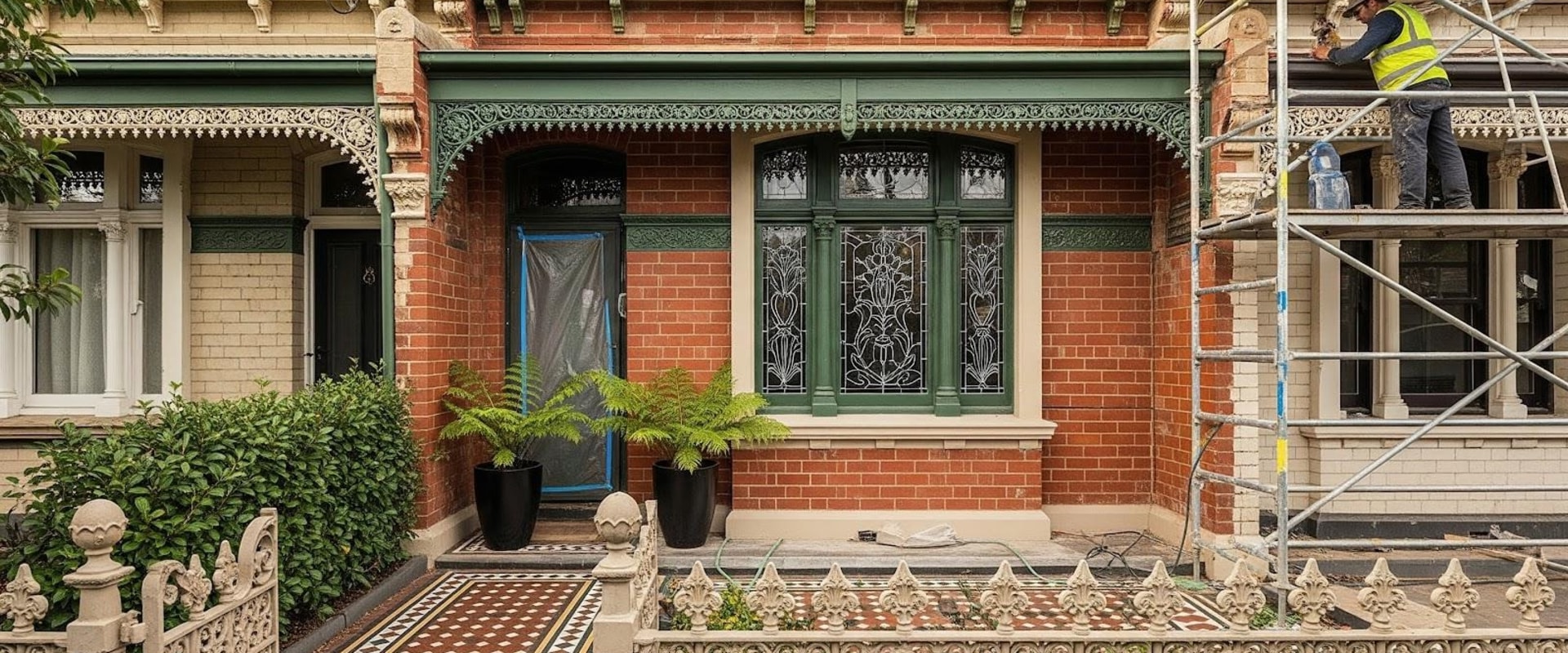
Embarking on a home renovation project can be an exciting journey, filled with dreams of transforming your living space into the perfect oasis. However, amidst the thrill of planning and design, many homeowners often overlook a crucial aspect: the unexpected costs that can arise during the renovation process. These hidden expenses can quickly turn your budget from manageable to overwhelming, leaving you feeling stressed and unprepared. In fact, studies have shown that a significant percentage of homeowners encounter surprise expenses when renovating their homes. From structural repairs to unforeseen permits and even inflation in material costs, these surprises can derail even the most meticulously planned budgets.
So, how can you navigate these choppy waters and ensure that your renovation remains on track?This article aims to shine a light on the hidden costs associated with home renovations and provide you with practical strategies for preparing for them. By understanding potential pitfalls and taking proactive measures, you can embark on your renovation journey with confidence. Join us as we explore the common unexpected costs that homeowners face and equip yourself with the knowledge to keep your project within budget. Home renovations can bring a wave of excitement, transforming a house into a dream home. However, along with this excitement comes the risk of unexpected costs, which can quickly derail a carefully constructed budget.
Understanding the various types of renovations—such as kitchens, bathrooms, and living spaces—can help homeowners prepare for the potential financial pitfalls that lie ahead. When it comes to kitchen renovations, the heart of the home, one common unexpected cost arises from outdated plumbing. Homeowners often plan to upgrade appliances or install new cabinets without considering the underlying plumbing infrastructure. For instance, if a homeowner decides to relocate the sink or dishwasher, they may discover that existing pipes are not compatible with the new layout. This can lead to additional expenses for plumbing modifications that were not accounted for in the original budget. Another area where unexpected costs can arise is in bathroom renovations.
Many homeowners focus on aesthetics, such as tile selection and fixtures, but neglect to consider potential structural issues. It is not uncommon to uncover water damage behind walls or beneath flooring during renovations. For example, one homeowner was thrilled to update their master bathroom but was shocked to find mold and rotting wood behind the vanity. This unforeseen problem added thousands to their renovation bill.
According to renovation expert Jane Doe, "Many homeowners underestimate the importance of addressing underlying issues before focusing on cosmetic upgrades. Ignoring these problems can lead to much higher costs down the road."Living space renovations, such as finishing a basement or expanding a room, also come with their share of unexpected expenses. Homeowners may envision a beautiful finished space but often overlook necessary permits and inspections required by local building codes. Additionally, if a basement renovation involves altering the layout or adding windows, structural reinforcements may be needed to ensure safety and compliance.
These changes can significantly inflate costs, sometimes by 20% or more than initially planned. Real-life scenarios illustrate how these unexpected costs can impact homeowners. One family planned to convert their attic into a playroom for their children. During construction, they discovered that the roof had inadequate insulation and ventilation, leading to an unexpected expense of $5,000 for upgrades. They managed this financial surprise by reallocating funds from another part of their budget and prioritizing essential repairs over cosmetic finishes. Statistics reveal that approximately 35% of homeowners face unexpected costs during renovations.
A survey conducted by HomeAdvisor found that the average homeowner experiences an additional $5,000 in costs beyond their initial estimates. This highlights the importance of thorough planning and budgeting. Acknowledging potential disagreements is vital when discussing unexpected costs. While some expenses are indeed unavoidable due to the age and condition of a home, many can be anticipated through diligent research and preparation. Engaging professionals for inspections before starting renovations can help uncover hidden issues early on.
Experts recommend setting aside at least 10-20% of your total renovation budget as a contingency fund for unforeseen expenses. In conclusion, while home renovations can be thrilling endeavors, the risk of unexpected costs is ever-present. By understanding the common pitfalls associated with various types of renovations and planning accordingly, homeowners can minimize financial surprises and enjoy a smoother renovation experience.
How to Prepare for Hidden Expenses
Preparing for hidden expenses during home renovations is crucial to avoiding financial strain and ensuring a successful project. One of the most effective strategies is to establish a contingency fund. This fund should typically range from 10% to 20% of your total renovation budget.By setting aside this extra money, you create a safety net that can cover unforeseen costs that may arise, such as structural issues or unexpected material prices. In addition to a contingency fund, it is wise to obtain multiple quotes from contractors. This not only helps you find the best price but also gives you a clearer understanding of the average costs associated with your renovation project. Be sure to ask detailed questions about what each quote includes, as this can reveal potential hidden costs. Furthermore, it’s beneficial to conduct thorough research on materials and labor costs ahead of time. Familiarizing yourself with current market prices can help you make informed decisions and spot discrepancies in contractor quotes.
Being proactive in your budgeting and planning will significantly reduce the likelihood of encountering unpleasant financial surprises during your renovation journey.
Eco-Friendly Renovations: Budgeting Considerations
When embarking on home renovations, many homeowners are eager to create spaces that are not only beautiful but also environmentally friendly. However, it is essential to understand that eco-friendly materials and energy-efficient upgrades often come with their own set of budgeting considerations. While the initial investment may be higher than traditional options, the long-term savings can be significant. Choosing sustainable materials such as bamboo flooring or recycled glass countertops may lead to higher upfront costs. These products are designed to last longer and require less maintenance, which can reduce expenses over time.Additionally, investing in energy-efficient appliances and fixtures can lower utility bills significantly. For instance, Energy Star-rated appliances use less electricity and water, translating into savings on monthly bills. Moreover, eco-friendly renovations can sometimes qualify for tax credits or rebates, further offsetting costs. Homeowners should research local incentives for making sustainable choices, which can help ease the financial burden of these renovations. In conclusion, while the initial costs of and fixtures can lower utility bills significantly. For instance, Energy Star-rated appliances use less electricity and water, translating into savings on monthly bills. Moreover, eco-friendly renovations can sometimes qualify for tax credits or rebates, further offsetting costs. Homeowners should research local incentives for making sustainable choices, which can help ease the financial burden of these renovations. In conclusion, while the initial costs of eco-friendly renovations may seem daunting, the potential for long-term savings and environmental benefits makes them a wise investment. Careful budgeting and planning can ensure that your renovation experience is both fulfilling and financially sound.
Common Unexpected Costs in Home Renovations
When embarking on a home renovation journey, homeowners often anticipate the visible expenses such as materials and labor.However, unexpected costs can arise that may derail even the best-laid plans. Being aware of these potential pitfalls can help you better prepare and avoid financial surprises. One common source of unexpected costs is permit fees. Depending on your local regulations, certain renovations require permits to ensure compliance with building codes and safety standards. These fees can vary significantly based on the scope of your project and location, so it’s essential to research what permits you might need before starting your renovation. Another factor to consider is the potential for material price increases.
The cost of building materials can fluctuate due to market demand, supply chain issues, or seasonal trends. This means that the budget you initially set might not hold if prices rise unexpectedly during your renovation timeline. To mitigate this risk, consider locking in prices with suppliers early or budgeting for a price increase. Additionally, labor shortages have become a prevalent issue in the construction industry. Finding skilled workers may take longer than anticipated, leading to project delays that can increase overall costs.
If contractors are in high demand, they may also raise their rates due to the scarcity of available labor. Therefore, it's wise to factor in possible delays and additional labor costs when planning your renovation. By understanding these common unexpected costs, homeowners can create a more realistic budget and prepare for the financial challenges that may arise during their home renovation projects.
Visualizing Your Project: Before-and-After Examples
When embarking on a home renovation, one of the most thrilling aspects is envisioning the transformation of your space.Before-and-after
examples serve as powerful motivators, illustrating the potential of a well-planned renovation. These visual representations not only inspire creativity but also provide a tangible sense of what can be achieved with proper budgeting and preparation. Consider a kitchen remodel where outdated cabinets and appliances were replaced with modern fixtures and efficient designs.In the before image, the space may appear cramped and uninviting, but after careful planning and budget allocation, the after photo reveals an open, airy environment that encourages family gatherings and culinary exploration. Another great example is a bathroom renovation where a dull, cramped area was transformed into a spa-like retreat. The before view shows outdated tiles and fixtures, while the after showcases luxurious materials like marble countertops and elegant lighting. These visual changes not only enhance the aesthetic appeal but also add significant value to the home. These examples reinforce the idea that with thoughtful budgeting, renovations can yield stunning results. By visualizing your project through these before-and-after comparisons, homeowners can better appreciate the importance of planning for unexpected costs.
It is crucial to allocate funds not just for materials and labor, but also for those unforeseen expenses that may arise during the renovation process. Ultimately, successful renovations highlight the importance of preparation and realistic budgeting. They remind us that while surprises may lurk around the corner, a well-prepared homeowner is equipped to navigate them effectively, leading to a beautifully transformed space that exceeds expectations.
DIY vs. Professional Help: Weighing the Costs
When embarking on a home renovation project, one of the first decisions homeowners face is whether to tackle the work themselves or hire professionals. Each option comes with its own set of advantages and drawbacks, making it essential to weigh the costs carefully.DIY renovations
can be appealing for several reasons.First and foremost, they can save money. By doing the work yourself, you avoid labor costs that can significantly inflate a renovation budget. Additionally, DIY projects offer a sense of personal satisfaction and creativity, allowing homeowners to customize their spaces according to their visions. However, DIY projects can quickly become a double-edged sword. One of the most significant risks associated with taking the DIY route is the potential for mistakes.
Inexperienced homeowners may underestimate the complexity of tasks, leading to costly errors that require professional intervention to rectify. For example, improper plumbing or electrical work not only leads to additional expenses but can also pose safety hazards. On the other hand, hiring professionals brings expertise and experience to the table. Professionals can often complete renovations more quickly and efficiently than a novice, minimizing disruption to your daily life. They are also adept at navigating potential issues that may arise during the renovation process, which can save time and money in the long run. However, hiring professionals comes with its own set of considerations.
The initial cost can be daunting, and there may be hidden fees that arise as the project progresses. Homeowners should be prepared for potential budget overruns due to unforeseen circumstances or changes in project scope. In summary, whether to choose DIY or professional help depends largely on your skills, budget, and the complexity of the renovation project. It is crucial to assess not only the upfront costs but also the potential hidden costs associated with mistakes or delays that could arise from either choice. In conclusion, embarking on a home renovation journey can be an exciting yet challenging experience. As we explored in this article, unexpected costs in home renovations can arise from various sources, making it essential to be prepared.
By understanding common pitfalls and planning for hidden expenses, homeowners can mitigate financial surprises and ensure a smoother renovation process. We discussed the importance of realistic budgeting, the advantages of weighing DIY vs. professional help, and how eco-friendly renovations can impact your budget. Additionally, visualizing your project through before-and-after examples can help set clear expectations. Ultimately, thorough planning and anticipation of unexpected costs are crucial for a successful renovation project. We encourage you to remain flexible and adaptable throughout your renovation journey, as this mindset will not only help you manage any unforeseen challenges but also enhance your overall experience.